The spaces we inhabit possess a profound, quiet influence over our daily lives. A home is not merely a structural shelter or a static backdrop for our routines; it is a dynamic environment that shapes our moods, influences our productivity, and serves as the physical manifestation of our personal journeys. When a living space is generic or built entirely on standard, assembly-line specifications, it often creates a subtle, persistent friction—a sense that you are adapting your life to fit the architecture, rather than the architecture supporting your life. The modern goal of home improvement is to cultivate environments tailored specifically to the unique functional requirements, sensory preferences, and lifestyles of the people who live within them.
Maximizing Culinary Workflow and Vertical Storage

True kitchen customization begins with a rigorous assessment of your specific culinary habits. A baker who requires expansive, low-counter marble surfaces for rolling dough has vastly different architectural needs than an entertainer who requires open pathways around a central island for hosting wine tastings. To maximize efficiency, custom cabinets should be designed to fit your workflow rather than forcing you to adapt to standard drawer sizes.
- Ergonomic Lower Storage: Replace traditional lower cabinets that force you to bend and reach into dark recesses with deep, heavy-duty pull-out drawers. This permits full visibility and instant access to heavy pots and cast-iron skillets.
- Specialized Inserts: Integrate custom spice drawers near the cooking range, vertical tray dividers for baking sheets, and deep pull-outs specifically engineered for heavy counter appliances.
Revitalizing Existing Frameworks for a Modern Aesthetic
A complete structural kitchen teardown is not always necessary to achieve a high-end, personalized look. If the structural boxes of your existing cabinetry are sound, crafted from high-quality plywood, and laid out in a functional configuration, you can achieve a dramatic transformation through targeted surface refinishing. Professional cabinet painting is a sophisticated process that completely alters the visual weight and mood of the room without the waste or extended timelines of a full demolition.
- Choosing the Right Sheen: Opt for a factory-grade satin or semi-gloss finish. These sheens offer a subtle, sophisticated luster that bounces natural light across the room while remaining exceptionally easy to clean and resistant to fingerprints.
- Color Psychology and Zoning: Consider a two-tone cabinetry approach. Painting upper cabinets a crisp, light neutral can make a low ceiling feel significantly higher, while applying a rich, grounded hue to the lower units or the central island establishes a commanding visual anchor.
- Preparation is Everything: True longevity in cabinetry finishes relies entirely on meticulous preparation. The process requires removing all doors and hardware, degreasing the surfaces, sanding back the original finish, applying specialized bonding primers, and utilizing sprayed, factory-grade coatings rather than traditional brushes or rollers to avoid unsightly texture lines.
Designing Anchored Focal Points for Daily Rituals
The central furniture piece of any bathroom sets the tone for the entire room. Standard, builder-grade vanities often lack character and fail to maximize usable storage space. Investing in specialized bathroom vanity services allows you to introduce a piece that acts as an architectural focal point while precisely accommodating your morning and evening routines.
- Freestanding and Floating Concepts: A floating vanity mounted directly to the wall opens up visible floor space, creating the illusion of a larger, more airy bathroom. Conversely, a custom freestanding vanity designed to mimic a vintage commode or a mid-century sideboard introduces rich, historical character.
- Tailored Storage Mapping: Standard vanities often feature large, empty voids under the sink that quickly become disorganized. Customized vanity construction maps the internal storage around your specific plumbing lines, utilizing U-shaped drawers that wrap around pipes to reclaim lost space for cosmetics, linens, and personal electronics.
- Integrated Electrical Infrastructure: Upgrade your vanity by installing internal power outlets within the deep drawers. This allows hair dryers, curling irons, and electric toothbrushes to remain plugged in and neatly organized out of sight, keeping your vanity surface pristine.
Selecting Durable, High-Impact Surfaces That Last

The surfaces within a bathroom must endure a punishing environment characterized by constant humidity, temperature fluctuations, and exposure to various grooming products. Selecting the right materials through specialized countertop services ensures that your surfaces are not only visually stunning but also resilient enough to maintain their beauty for decades.
For maximum longevity, engineered quartz serves as an excellent non-porous option that resists stains and requires zero ongoing maintenance. Homeowners looking for a timeless, natural elegance often turn to natural marble for its luxury veining, though it does remain more porous and prone to etching from acidic soaps. Alternatively, porcelain slabs have become a premium choice for high-moisture environments because they are incredibly durable, completely impervious to water, and can be installed in large formats to eliminate grout lines.
- Mitering for Visual Substance: Request a mitered apron edge for your bathroom surfaces. This technique joins the horizontal surface to a vertical piece at a 45-degree angle, making a standard thin slab appear as a thick, solid block of stone, conveying immediate luxury.
- Seamless Backsplashes: Extend your stone surface vertically up the wall, creating a continuous backsplash that reaches the bottom of your mirrors or even the ceiling. This eliminates grout lines that are susceptible to mold and provides a sleek, modern aesthetic.
Crafting a Grand Architectural Statement at the Threshold
Your front entrance and interior transitional portals are the literal thresholds to your personal world. Replacing generic, hollow-core doors with solid, custom doors fundamentally changes how your home feels, sounds, and operates.
- Acoustic and Tactile Weight: Solid-core wood doors offer superior sound dampening between rooms, ensuring that a home office or bedroom remains quiet even when the rest of the house is active. The physical weight of opening and closing a solid door provides an immediate sensory cue of quality and security.
- Architectural Harmony: Tailor the paneling details to complement the era of your home. A historic property might call for deeply recessed five-panel doors with traditional sticking profiles, while a contemporary home benefits from flush, grain-matched walnut doors that reach all the way to the ceiling.
- Oversized Pivot Openings: For a truly dramatic main entrance, consider an oversized pivot door. These units rotate on a heavy-duty spindle mechanism installed at the top and bottom of the frame rather than traditional side hinges, allowing for massive, heavy doors that open with effortless smoothness.
Mastering Natural Light and Privacy Dynamics
Light is one of the most powerful tools in interior design; it can make a small room feel expansive, highlight architectural textures, and influence circadian rhythms. Managing this element requires sophisticated, tailor-made window treatments that balance the need for privacy with the desire for natural illumination.
- The Layered Approach: Avoid relying on a single blind or shade. Instead, combine a functional baseline layer—such as a woven wood or grasscloth roller shade—with elegant, ceiling-mounted drapery panels. This introduces depth, texture, and visual softness to the room.
- The Illusion of Scale: To make your ceilings feel significantly higher and your windows appear grander, always mount your drapery hardware as close to the ceiling line as possible and extend the rod several inches past the sides of the window frame. This ensures that when the drapes are fully open, the fabric rests on the wall, maximizing the amount of incoming light.
- Smart Motorization: Integrate automated control systems into your window coverings. Programming shades to automatically lower during the peak heat hours of the afternoon protects your hardwood floors and upholstery from UV damage while optimizing the home’s energy efficiency.
Transforming Underutilized Square Footage into Premium Flex Spaces
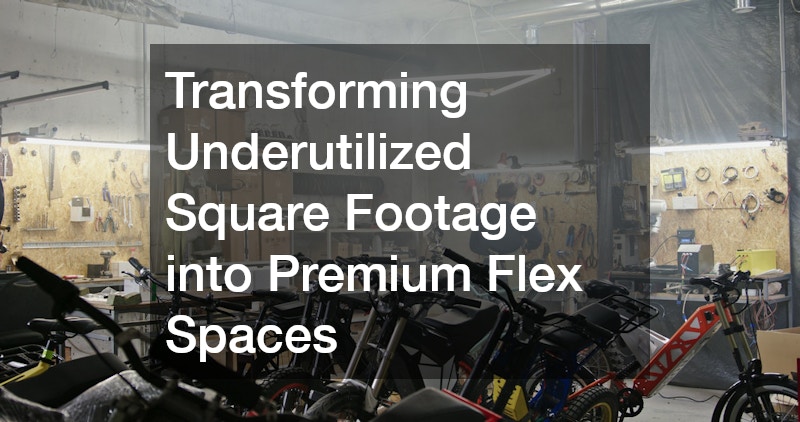
Approaching this zone with the intent to build custom garages involves looking past basic vehicle storage. By treating the garage with the same design discipline applied to an interior living room, you can create a seamless, climate-controlled environment tailored to specialized hobbies, fitness goals, or mechanical work.
- High-Performance Flooring: Replace stained, cracked concrete with a professional polyaspartic or epoxy floor coating system. Infused with decorative quartz or color flakes, these industrial-grade finishes are completely impervious to automotive fluids, simple to clean, and visually pristine.
- Modular Wall Architecture: Implement heavy-duty PVC slatwall systems across entire walls. This allows for total flexibility, enabling you to mount adjustable hooks, bins, and brackets that lift bicycles, garden equipment, and hand tools completely off the floor.
- Zoned Workstations: Designate specific zones within the layout. Allocate one corner for a dedicated home gym featuring impact-absorbent rubber matting, another for a heavy-duty workbench with integrated tool foam inserts, and a central area with specialized lighting overhead for automotive detailing.
Balancing Curb Appeal with Advanced Smart Security
Because the garage often occupies a substantial percentage of a home’s front facade, the exterior structural components play an oversized role in determining the overall curb appeal of your property. Neglecting this exterior element can undermine even the most beautiful interior renovations. Securing professional garage door services ensures that your home’s exterior presentation is cohesive and secure.
- Architectural Alignment: Choose materials and designs that complement the main house. A craftsman home is beautifully paired with warm wood carriage-house doors featuring wrought-iron hardware, while a sleek minimalist home benefits from flush aluminum-frame doors with frosted glass panels.
- Thermal Performance: Invest in doors featuring high R-value polyurethane insulation. This is particularly crucial if the garage is attached to the house or sits directly beneath a living room or bedroom, as it significantly reduces heat transfer and lowers seasonal energy bills.
- Advanced Space Optimization: Upgrade to a wall-mounted jackshaft opener rather than a traditional ceiling-mounted trolley system. By mounting the opener directly next to the torsion shaft on the front wall, you free up massive amounts of overhead ceiling space, allowing for the installation of high-yield storage racks or a vehicle lift.
Cultivating a Cohesive Visual Narrative Across Rooms
Bringing a comprehensive vision to life over thousands of square feet requires immense coordination and technical skill. Partnering with an experienced interior designer can bridge the gap between abstract design inspiration and practical execution. A professional brings a trained eye for scale, spatial flow, and material sourcing that prevents common design mistakes.
- Developing a Signature Palette: A designer helps establish a foundational color and material palette that travels gracefully from room to room. This doesn’t mean every space looks identical; rather, it ensures that a texture introduced in the entryway entryway subtle echoes in the family room and primary suite.
- The Importance of Scale and Proportion: One of the most common pitfalls in home decoration is purchasing furniture and fixtures that are either too small for an expansive room or too bulky for a cozy space. A professional utilizes precise spatial mapping and CAD layouts to ensure every element fits perfectly within the room’s physical dimensions.
- Access to Exclusive Sourcing: Working with a design professional grants access to trade-only showrooms, custom fabricators, and specialized artisans whose work cannot be found in traditional retail environments, ensuring your home remains genuinely unique.
Sequencing Large-Scale Construction to Minimize Daily Disruption

When a property requires extensive structural revisions, layout reconfigurations, or high-end material installations across multiple zones, it enters the realm of luxury home remodeling. Managing a project of this scale requires careful scheduling, realistic budget management, and deep respect for the construction process.
The ideal sequencing of a major remodel begins with an intensive planning and discovery phase to establish architectural blueprints. From there, construction moves into structural demolition and the rough-in of mechanical, electrical, and plumbing systems. Once the internal infrastructure is secure, teams can progress to installing surfaces, flooring, and custom millwork, before concluding with the application of final fine finishes and interior styling.
- The Logic of Project Phasing: Always execute heavy, high-dust construction tasks—such as knocking down non-load-bearing walls, installing structural steel beams, or sanding hardwood floors—simultaneously at the beginning of the project. Fine finishes, cabinetry painting, and drapery installations should only occur after the home is entirely clean and dust-free.
- Establishing Financial Contingencies: High-end renovations, particularly within older or historic properties, frequently uncover hidden structural challenges behind old plaster and drywall. Always maintain a dedicated contingency fund of 15% to 20% above the base contract price to address unexpected infrastructure updates without compromising your final design choices.
- Vetting the Craftsmanship Guild: The ultimate success of a home transformation depends entirely on the caliber of the professionals executing the work. Always verify licenses, review comprehensive portfolios of past local projects, check references, and prioritize teams that emphasize clear, open communication and meticulous attention to detail.
These careful modifications provide deep, dual returns on your investment. On a financial level, executing high-quality, professional updates enhances the equity and long-term market value of your property. On a personal level, it builds daily equity in your well-being, creating a refined refuge that welcomes you home every single day.
Rather than letting the scale of a whole-home project feel overwhelming, focus on a single, high-impact area that will immediately improve your day-to-day routine. By approaching your home improvement journey with clarity, patience, and a dedication to quality craftsmanship, you can systematically design a functional, beautiful space that is genuinely your own.