

Choosing the right countertops is one of the most important decisions in any kitchen renovation because this surface affects both how your kitchen looks and how it functions every single day. Countertops are where meals are prepared, where appliances are used, and where much of the kitchen’s activity naturally happens. Because of this constant use, the material, durability, and layout compatibility all matter just as much as color or style.
When selecting countertops, it’s also important to think beyond the immediate remodel and consider long-term value. The right choice can improve daily efficiency, reduce maintenance demands, and even enhance resale appeal if you decide to sell your home in the future. Factors like durability, installation quality, and how well the surface integrates with the rest of your kitchen design all play a role in whether your investment truly pays off over time.
Many homeowners focus on appearance first, but a successful remodel requires balancing aesthetics with practicality. A countertop that looks beautiful but is difficult to maintain or unsuitable for your cooking habits can quickly become frustrating. This guide breaks down every key factor in detail so you can confidently choose a countertop that fits your lifestyle, budget, and long-term goals.
Understanding Kitchen Layout and Functional Needs Before Selecting Materials

For example, if your prep space is too small, you may find yourself constantly moving items around, which increases clutter and reduces efficiency. Similarly, if your sink is too far from your cooking area, cleanup becomes more time-consuming. These small inefficiencies build up over time and affect your overall experience in the kitchen.
Storage design also plays a major role in countertop planning. The size, depth, and placement of cabinetry affect how countertops are installed and supported. Many homeowners consider options like kitchen cabinets and wholesale cabinets during early planning stages to ensure the entire kitchen structure aligns properly with countertop installation.
A well-planned layout improves both comfort and workflow. When your kitchen is designed around how you actually cook and clean, countertop selection becomes easier because you already understand what functions the surface must support.
Choosing the Right Surface Based on Durability and Daily Use
Durability is one of the most important considerations when selecting countertops because kitchens are high-impact environments. Surfaces are exposed to heat, moisture, spills, sharp objects, and heavy cookware on a daily basis. If the material cannot handle this level of use, it will quickly show signs of wear.
Households that cook frequently should prioritize materials that resist scratches, stains, and heat. Families with children or multiple cooks in the kitchen also need surfaces that can withstand constant activity. On the other hand, kitchens that are used occasionally may allow for more decorative materials that require slightly more maintenance.
Working with professionals such as kitchen remodelers can help homeowners evaluate which materials match their cooking habits. These experts understand how different surfaces perform under real-world conditions and can recommend options that balance durability with design preferences.
A practical way to evaluate durability is to break it down into key performance areas:
- Resistance to heat from cookware and appliances
- Ability to withstand knife scratches and heavy use
- Protection against stains from food and liquids
- Ease of cleaning and maintenance requirements
- Long-term resistance to wear and surface dulling
Each of these factors contributes to how well a countertop will perform over time. Ignoring them can lead to early replacement or costly repairs.
Exploring Natural Stone Options for Long-Term Investment Value
Natural stone countertops are often chosen for their timeless beauty and long-term durability. These materials are formed over thousands of years, which gives each slab a unique appearance. No two countertops are exactly alike, making natural stone a popular choice for homeowners who want a one-of-a-kind kitchen design.
One of the most widely used options is a granite countertop, known for its strength and resistance to heat. Granite is particularly suitable for busy kitchens because it can handle heavy cookware and frequent cooking activity when properly sealed. Its natural hardness also makes it resistant to scratches, which is a major advantage for long-term use.
However, granite and other natural stones do require maintenance. Periodic sealing helps protect the surface from moisture and staining. Without proper care, liquids can seep into the pores of the stone and cause discoloration. Installation is also more complex due to the weight of the material, requiring strong cabinet support and professional handling.
Despite these considerations, natural stone remains a strong investment because of its durability and resale value. Many homeowners view it as a long-term upgrade that enhances both kitchen performance and home value.
Natural stone benefits include:
- Exceptional heat resistance
- Long lifespan with proper care
- Unique natural patterns and textures
- Strong resale value contribution
- High durability under heavy use
These advantages make natural stone a reliable option for homeowners seeking both function and aesthetics.
Evaluating Engineered Surfaces for Modern Kitchens
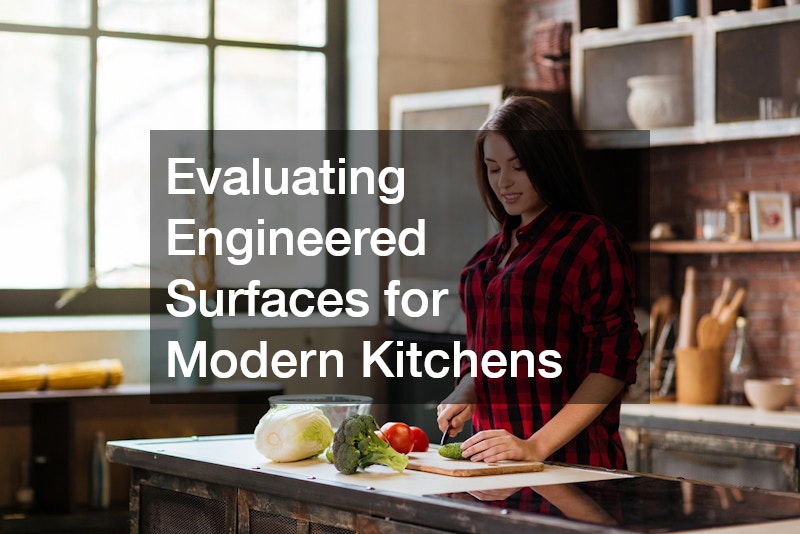
Engineered countertops have become extremely popular due to their consistency, low maintenance, and wide range of design options. Unlike natural stone, engineered materials are manufactured to create uniform patterns and colors, which makes them ideal for modern and minimalist kitchens.
A quartz countertop is one of the most common engineered surfaces. It is non-porous, which means it does not absorb liquids and is highly resistant to staining. This makes it especially useful for households that want a low-maintenance surface that remains clean and attractive with minimal effort.
Quartz also offers design flexibility. It can replicate the look of natural stone while providing a more predictable pattern. This allows homeowners to achieve a high-end aesthetic without the unpredictability of natural variations.
Key advantages of engineered surfaces include:
- No sealing required
- High resistance to stains and bacteria
- Consistent color and pattern
- Strong durability for daily kitchen use
- A wide variety of design styles
While engineered materials may have a higher upfront cost, their ease of maintenance and long-term durability often make them cost-effective over time.
Planning Installation Requirements and Measuring Accurately
Accurate installation is one of the most important steps in any countertop project. Even small measurement errors can lead to gaps, uneven edges, or improper fitting around appliances. Because countertops must align precisely with cabinetry and walls, detailed planning is essential before fabrication begins.
Professional measuring ensures that every detail is accounted for, including sink cutouts, appliance spacing, and wall irregularities. Homes are rarely perfectly square, so adjustments are often needed during templating.
This is where countertop installers play a critical role. They use specialized tools and techniques to ensure precise measurements and proper alignment during installation. Their experience helps prevent structural issues and ensures a smooth final finish.
The installation process typically includes:
- Detailed on-site measurement and templating
- Fabrication of materials based on exact dimensions
- Safe transportation and handling of heavy slabs
- Final installation, leveling, and sealing
- Inspection and finishing adjustments
Proper installation ensures that countertops not only look seamless but also perform reliably under daily use.
Coordinating Countertops With Cabinets and Overall Kitchen Design
Countertops do not exist in isolation; they must work in harmony with cabinets, flooring, lighting, and overall kitchen design. If these elements clash, even high-quality materials can look mismatched or unbalanced.
Color coordination is one of the most important aspects of kitchen design. Light countertops paired with darker cabinetry can create contrast, while similar tones provide a more unified and subtle appearance. Texture also plays a role in how materials interact visually.
Many homeowners choose custom countertops to achieve a perfect fit and personalized design. Custom fabrication allows for adjustments in shape, edge profile, and thickness to match the kitchen’s exact layout and style preferences.
Design factors to consider include:
- Contrast between cabinets and countertops
- Lighting and how it affects surface appearance
- Edge style and thickness selection
- Material texture and visual balance
- Overall kitchen theme consistency
When all elements are coordinated properly, the kitchen feels cohesive and professionally designed.
Working With Professionals to Streamline the Remodeling Process

Kitchen remodeling involves multiple steps, and working with professionals helps ensure each stage is completed correctly and efficiently. From design planning to installation, expert guidance reduces mistakes and improves overall project quality.
Professionals help homeowners make informed decisions about materials, layout, and budgeting. They also coordinate different aspects of the project to ensure everything stays on schedule and within scope.
In larger projects, interior remodeling specialists manage the entire renovation process. They coordinate contractors, oversee design execution, and ensure consistency across all elements of the kitchen.
Benefits of professional support include:
- Reduced risk of costly mistakes
- Better project organization and scheduling
- Access to industry knowledge and experience
- Improved quality control throughout the project
- More accurate budgeting and planning
Working with experienced professionals often results in a smoother renovation experience and a higher-quality final result.
Budgeting and Cost Breakdown for Countertop Projects
Budgeting is a critical part of any kitchen remodel because countertop costs can vary widely depending on material, fabrication complexity, and installation requirements. Understanding these variables helps homeowners plan realistically.
Material choice is usually the biggest cost factor, but customization and labor also significantly influence the total price. Complex layouts or special edge designs can increase fabrication costs.
General contractors often assist with budgeting and ensure that countertop expenses align with the overall renovation plan. Their oversight helps prevent unexpected financial issues during the project.
Key cost components include:
- Material selection and grade
- Labor and installation fees
- Custom fabrication and edge detailing
- Removal and disposal of old surfaces
- Additional structural adjustments if needed
Proper budgeting ensures that homeowners can achieve their desired results without overspending or compromising on quality.
Finding Reliable Local Experts and Service Providers

Choosing the right professionals is essential for a successful kitchen remodel. Skilled contractors ensure that materials are installed correctly and that the final result meets both functional and aesthetic expectations.
Homeowners should take time to research providers, compare quotes, and review past work. A strong portfolio and positive customer feedback are good indicators of reliability and skill.
Many people begin by exploring local home renovations services to find experienced professionals familiar with regional building standards and design preferences. Local experts often provide faster communication and more personalized service.
Important selection criteria include:
- Verified experience and licensing
- Strong customer reviews and references
- Clear communication and transparency
- Consistent quality of completed projects
Choosing the right professionals can significantly improve both the process and the outcome of a remodel.
Long-Term Care, Maintenance, and Longevity Tips
Once countertops are installed, proper maintenance is essential for preserving both appearance and performance. Different materials require different care routines, but all benefit from regular cleaning and protection.
Daily maintenance should include wiping surfaces with mild cleaners and avoiding harsh chemicals that can damage finishes. Preventing direct impact from heavy objects also helps reduce wear over time.
Long-term maintenance may involve sealing natural stone, repairing small chips, or polishing surfaces when needed. Consistency is key to maintaining long-term durability.
Helpful maintenance habits include:
- Cleaning spills immediately to prevent staining
- Using cutting boards and heat protection pads
- Avoiding abrasive cleaning tools
- Scheduling periodic professional inspections if needed
Good maintenance ensures that countertops remain functional and attractive for many years.
A kitchen remodel is one of the most impactful upgrades you can make in a home, and countertops often become the centerpiece of that transformation. Because they cover a large visual and functional space, they influence everything from workflow to overall design style. Homeowners are often surprised at how many material options exist and how much those choices can affect comfort, maintenance, and long-term satisfaction.
Selecting the perfect countertop requires careful attention to layout, durability, design, installation, and long-term maintenance. It is not just a design decision but a functional investment that affects how your kitchen performs every day. A successful kitchen remodel comes from balancing beauty with practicality. With the right materials, proper installation, and consistent maintenance, your countertops can serve as a long-lasting centerpiece that supports your lifestyle and adds lasting value to your home.