
In this article, we will explore essential tips provided by HVAC contractors to help maintain a comfortable home environment throughout the year. Whether it’s the sweltering heat of summer or the biting cold of winter, a well-maintained HVAC system plays a crucial role in ensuring comfort. By understanding the importance of regular maintenance and system checks, homeowners can avoid unexpected breakdowns and costly repairs.
This guide will provide actionable insights into optimizing HVAC performance, reducing energy consumption, and extending the lifespan of your system. Harness the expertise of seasoned contractors as we delve into how you can keep your home comfortable year-round.
1. How Often Should I Change My Air Filters?
Regularly changing your air filters is one of the simplest yet most effective ways to ensure that your HVAC system runs efficiently. Typically, it’s recommended to change air filters every 1-3 months, but this can vary based on the type of filter and the environment within your home. For homes with pets or allergies, more frequent changes might be necessary to maintain air quality. Dirty or clogged filters restrict airflow, making the system work harder and consume more energy while reducing its lifespan. This simple act not only preserves system efficiency but also improves indoor air quality, providing a healthier living environment.
2. What Are the Signs That My HVAC System Needs Maintenance?
An efficiently running HVAC system should operate quietly and seamlessly, but certain signs can indicate it needs maintenance. Unusual noises, such as clanking or buzzing, often signify mechanical issues that require professional attention. Uneven cooling or heating in different parts of your home can also be a tell-tale sign of a system in distress. If you notice increasing energy bills without any change in use, your system might be overworking and thus needs an inspection. Recognizing these signs early can help prevent more serious issues and ensure a comfortable home environment.
3. How Can I Improve Energy Efficiency in My Home?
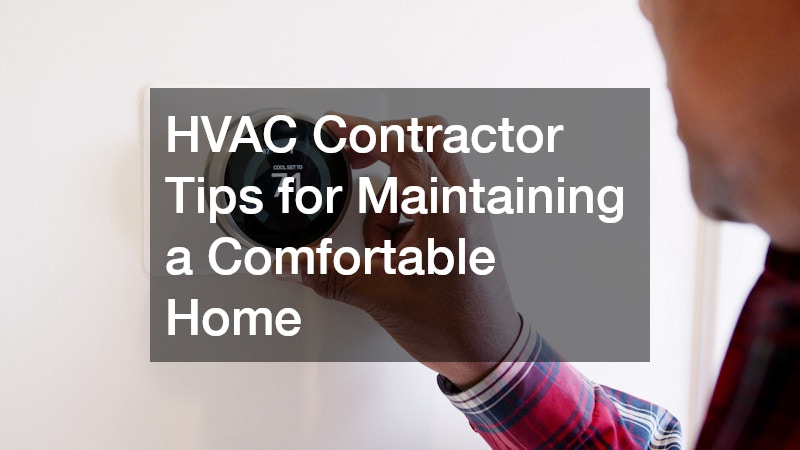
Enhancing energy efficiency within your home not only reduces carbon footprint but also drives down utility costs significantly. One key step in achieving this is by upgrading to a more efficient HVAC system if your current one is outdated. Modern systems come with advanced technology that optimizes performance and reduces energy loss. Installing a programmable thermostat can also greatly improve efficiency by allowing you tailored control over heating and cooling schedules. This ensures that energy is used only when needed, providing comfort without unnecessary expenditure.
Proper insulation is fundamental to an energy-efficient home, as it keeps treated air within your living spaces. Insulating attics, walls, and floors prevents heat transfer, making it easier for your HVAC system to maintain desired temperatures. Additionally, sealing any leaks around windows and doors ensures that conditioned air remains where it is needed. Proper ventilation systems also play a critical role in managing energy use while ensuring high indoor air quality. By minimizing loss and maximizing system efficiency, homes can remain comfortable year-round at a reduced cost.
4. What Is the Best Temperature Setting for My Thermostat?
Finding the optimal thermostat setting is key to balancing comfort and efficiency in your home. During warmer months, a recommended setting is approximately 78°F when you are home and higher when away, to conserve energy. In the winter, a setting of around 68°F is typically comfortable while minimizing heating costs. These temperatures provide comfort while ensuring the HVAC system isn’t overburdened, particularly during peak seasons. Making minor adjustments based on occupancy and activity levels can further boost savings.
5. How Can I Extend the Lifespan of My HVAC System?
Extending the lifespan of your HVAC system begins with regular maintenance checks and timely repairs. Routine inspections help to identify and resolve potential issues before they escalate into significant problems. Essential maintenance tasks include cleaning coils, lubricating parts, and checking refrigerant levels to ensure optimal performance. These checks prevent premature aging and wear, allowing the system to function efficiently over its intended life expectancy. Scheduling regular professional maintenance ensures operational longevity and consistent comfort throughout the year.
Practicing good usage habits contributes significantly to an HVAC system’s lifespan. Simple actions, like ensuring your system isn’t running when not needed, can greatly affect wear and tear. Likewise, using ceiling fans in conjunction with your HVAC system can distribute air more evenly, reducing the load on your system. Customizing thermostat programming and utilizing natural ventilation when possible can ease HVAC demand, thus conserving energy. All these factors, when combined, create a balanced system usage that enhances longevity.
By following these HVAC contractor tips, homeowners can ensure their HVAC systems run efficiently, extend their lifespan, and maintain a comfortable living environment all year round. Regular maintenance and mindful usage are instrumental in optimizing system performance and reducing energy consumption. Adapting to technology-like smart thermostats and insulating homes effectively can greatly enhance comfort while ensuring cost-effectiveness. Taking a proactive stance on HVAC care not only saves money but also contributes to a healthier, more sustainable living environment. Empower your home with these insights and enjoy sustained comfort and operational efficiency every season.