
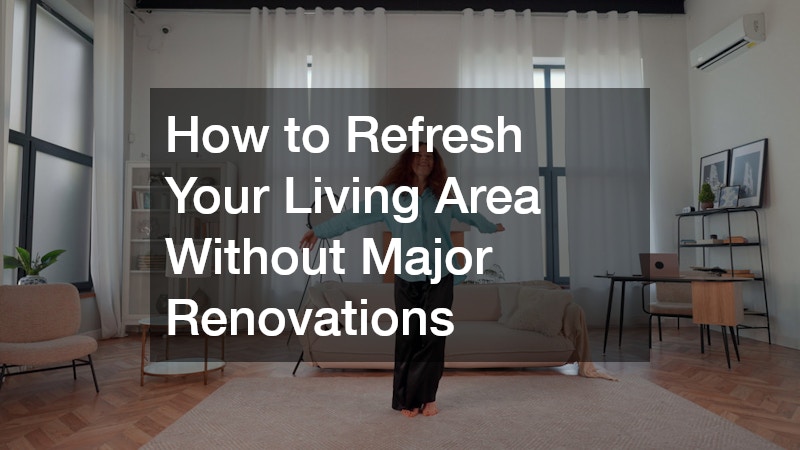
A living area does not have to be outdated, damaged, or poorly designed to feel like it needs a change. Sometimes the space simply stops working for the way a household lives. A sofa may block the best walking path. A dark corner may make the room feel smaller than it is. Clutter may collect on surfaces because there is no convenient place for everyday items. Over time, these small issues can make the most-used room in the home feel tired.
Refreshing a living area without major renovations begins with observing the room honestly. Before buying anything new, spend a few days noticing how people use the space. Where does everyone naturally sit? Which areas feel crowded? Is there enough light in the evening? Does the room feel too warm, too cold, too noisy, or too disconnected from nearby spaces?
A strong refresh often comes from improving what already exists. That may mean rearranging furniture, updating finishes, improving comfort systems, replacing worn details, or solving hidden maintenance issues. The goal is not to rebuild the room from scratch. It is to make the space feel cleaner, brighter, safer, and easier to enjoy every day.
Reevaluate Your Surfaces to Create a Fresh Foundation

The floor sets the tone for the entire living area. Even when walls, furniture, and lighting look good, a worn surface underfoot can make the room feel older than it really is. Scratches, dull finishes, stains, uneven boards, or mismatched materials can quietly pull attention away from everything else.
A hardwood floor, for example, may not need to be replaced to look refreshed. In many cases, cleaning, buffing, refinishing, or adding the right rug can make a major difference. The key is to decide whether the issue is cosmetic, functional, or both. If the surface is structurally sound but looks dull, refinishing may restore warmth and depth. If boards are loose or damaged, targeted repairs may be the smarter first step.
A visit to a local flooring store can also help homeowners compare materials in person. Photos online rarely show texture, undertones, or how flooring looks under natural light. Bringing home samples and placing them near furniture, trim, and wall colors can prevent expensive mistakes.
A practical floor refresh may include:
- Deep-cleaning existing surfaces before making decisions
- Using large area rugs to define seating zones
- Choosing rug pads to reduce slipping and protect finishes
- Repairing visible damage before adding new décor
- Matching flooring choices to pets, children, and daily traffic
The goal is to create a clean foundation that supports the rest of the room. Once the floor feels intentional, even older furniture and simple décor can look more polished.
Improve Natural Light and Room Flow
A living area can feel cramped or gloomy even when it has enough square footage. Often, the problem is not the room size but the way light and movement work inside it. Heavy window coverings, blocked pathways, outdated frames, and poorly placed furniture can make a space feel closed off.
Start by standing at each entrance to the room. Notice what your eye sees first. If the view is blocked by the back of a sofa, a bulky cabinet, or a crowded corner, the room may feel less welcoming than it could. Shifting furniture just a few inches can improve movement and make the room feel more open.
Natural light deserves the same attention. A window contractor can help identify whether drafty, damaged, or outdated windows are affecting comfort as well as appearance. New or improved windows can make a living area feel brighter, quieter, and more efficient, but even smaller changes can help. Washing glass, raising curtain rods, using lighter fabrics, and clearing furniture away from windows can make daylight travel farther into the room.
Door installations can also change how a living area feels. Replacing a heavy, outdated, or poorly fitted door can improve the transition between rooms or between indoor and outdoor spaces. Glass panels, updated hardware, or a better swing direction can make the room feel more connected without changing the layout.
Think of light and flow together. A room that is easy to enter, easy to cross, and naturally bright will usually feel refreshed before any major decorating begins.
Upgrade the Lighting for a More Comfortable Atmosphere

Lighting has a powerful effect on how a living area feels at different times of day. A room that looks pleasant in afternoon sunlight may feel flat or harsh at night if it depends on one overhead fixture. Many living areas need layers of light rather than more brightness in one place.
Begin with ambient lighting, which provides general visibility. Then add task lighting where people read, work, play games, or do hobbies. Accent lighting can highlight shelves, artwork, plants, or architectural details. This layered approach gives the room flexibility. A family movie night, a quiet reading hour, and a weekend gathering should not all require the same lighting.
A local electrician can help when lighting updates involve new fixtures, added outlets, dimmers, recessed lighting, or wall sconces. It is tempting to focus only on style, but electrical safety matters just as much. Flickering lights, warm outlets, tripping breakers, or old wiring should be addressed before adding more demand to the system.
Electrical repairs can also improve convenience. A living area with too few outlets often ends up with tangled cords, overloaded strips, and awkward furniture placement. Adding properly placed outlets or updating old ones can make the room easier to use and cleaner to look at.
A simple lighting plan might include a ceiling fixture on a dimmer, a floor lamp near the sofa, a table lamp beside a reading chair, and subtle accent lighting near shelving. The result feels less like a showroom and more like a room that adapts to real life.
Create Year-Round Comfort Inside the Room
A living area should look good, but it should also feel good. If the space is too cold in winter, too warm in summer, or uneven from one side of the room to the other, cosmetic updates will only go so far. Comfort is one of the biggest reasons a room feels inviting.
Temperature problems often show up in ordinary moments. Someone always reaches for a blanket in the same chair. Guests avoid sitting near a drafty wall. The room feels stuffy when several people gather. These signs point to comfort issues that may need more than a new throw pillow.
Furnace repair may be necessary if the heating system struggles to keep the living area comfortable, makes unusual noises, cycles too often, or leaves certain rooms cooler than others. The issue may be with the unit itself, but it could also involve filters, ducts, vents, or airflow restrictions. Before assuming the whole room needs insulation or remodeling, check whether furniture is blocking vents or whether maintenance has been delayed.
The same idea applies to ac repairs. A cooling system that is low on performance can make the main gathering space uncomfortable during warm months. Poor airflow, weak cooling, strange odors, or rising energy bills can all point to problems that affect daily comfort.
Homeowners can also make small adjustments that support better performance:
- Keep vents open and unobstructed.
- Replace filters on a regular schedule.
- Use curtains or shades strategically during hot afternoons.
- Seal minor gaps around trim where drafts are noticeable.
- Use ceiling fans correctly for the season.
Comfort improvements may not be as visible as new furniture, but they change how people experience the room every day.
Remove Hidden Issues That Affect Daily Enjoyment

Some living area problems are easy to see. Others are hidden until they create odors, noise, damage, or health concerns. A room may look clean but still feel unpleasant if there are maintenance issues nearby.
A fireplace is a good example. It can be a beautiful focal point, but it also needs care. Chimney cleaning helps remove buildup, reduce odor, and support safer fireplace use. Even if the fireplace is only used occasionally, neglect can affect the surrounding living space. A smoky smell, dust, or poor draft can make the room feel less fresh.
Pests can create similar problems. A pest control company can help identify entry points, nesting areas, and conditions that attract unwanted activity. Living areas often connect to exterior walls, fireplaces, basements, attics, or patios, which means small gaps can become easy access points. Scratching sounds, droppings, damaged fabric, or unexplained odors should not be ignored.
The solution is not only treatment. It is prevention. Seal gaps, store food properly, reduce clutter, keep firewood away from the home, and inspect areas behind large furniture. These steps protect the room from damage while making the home feel cleaner and more comfortable.
A truly refreshed living area is not just decorated. It is maintained. When hidden problems are handled, the space feels better in a way that is hard to fake.
Refresh the Design With Low-Cost Changes
Once the foundation, comfort, and maintenance pieces are addressed, design changes become more effective. Small updates can go a long way when they are chosen with intention. The mistake many homeowners make is buying random décor without first deciding what the room needs.
Start with one question: What should this room feel like? Calm and quiet? Warm and social? Bright and energetic? Cozy and layered? The answer should guide colors, textures, furniture placement, and accessories.
Paint is one of the most affordable ways to change a room, but it does not always have to cover every wall. An accent wall, updated trim, or painted built-ins can shift the mood without making the project overwhelming. Textiles also make a major difference. Pillows, curtains, rugs, and throws add softness and color without permanent commitment.
A realistic refresh might happen over a weekend. On Saturday morning, the furniture gets pulled away from the walls. By midday, old magazines, unused baskets, and extra décor are removed. In the afternoon, a new lamp and two pillow covers are added. On Sunday, the room is cleaned deeply, art is rehung slightly higher, and a plant is placed near the window. Nothing structural changed, but the room feels lighter.
Focus on changes that make the space easier to live in:
- Replace one oversized piece with slimmer furniture.
- Use storage baskets only where items actually collect.
- Hang curtains higher to make the ceiling feel taller.
- Add mirrors where they reflect light, not clutter.
- Limit decorative objects so each surface has breathing room.
A refreshed room should still feel like home. The best design updates support the people who live there instead of copying a trend too closely.
Increase Long-Term Value With Practical Choices

A living area refresh should improve everyday life, but it can also support long-term home value. The key is to balance personal style with practical decisions that future buyers, guests, and family members can appreciate.
Durable finishes, good lighting, healthy airflow, safe systems, and clean transitions between rooms tend to matter more than trendy décor. A bold paint color can be changed, but poor maintenance or awkward functionality can leave a stronger negative impression. That does not mean the room has to be plain. It means the permanent or semi-permanent choices should be made thoughtfully.
Before spending money, divide possible updates into three groups: immediate comfort, visible appearance, and long-term function. Immediate comfort might include better seating, improved airflow, or warmer lighting. Visible appearance might include paint, rugs, art, or window treatments. Long-term function might involve repairs, better outlets, improved insulation, or safer access points.
This approach helps prevent overspending on one category while ignoring another. A beautiful room with poor lighting still feels incomplete. A comfortable room with damaged trim may still feel unfinished. A well-balanced refresh gives attention to both beauty and performance.
Budget matters, too. Not every improvement needs to happen at once. Homeowners can create a phased plan based on priority. Start with safety and comfort, then move to surfaces and lighting, then finish with décor. Spreading projects over time often leads to better decisions because each change can be evaluated before the next one begins.
Finish With a Room That Supports Everyday Life
A living area refresh does not require demolition, permits, or months of disruption. In many homes, the most meaningful improvements come from paying attention to how the room actually works. Better light, cleaner surfaces, improved comfort, safer systems, and thoughtful design choices can completely change the way a space feels.
The best updates are not always the most dramatic. Sometimes moving a chair, repairing a draft, changing a fixture, deep-cleaning a neglected area, or choosing the right rug creates the shift the room needed. These improvements make the space more enjoyable in ordinary moments, such as morning coffee, evening conversations, quiet reading, or time with family.
A refreshed living area should feel easier to use, more comfortable to sit in, and more welcoming to enter. By focusing on practical upgrades instead of major renovations, homeowners can create a space that feels renewed without losing the character of the home.