Introduction
Maintaining a comfortable, efficient, and safe home requires more than just occasional repairs—it demands a proactive approach to managing essential systems. From heating and cooling to plumbing and water quality, each component plays a vital role in your daily life. When one system fails or underperforms, it can create a ripple effect that impacts your comfort, utility costs, and even the structural integrity of your home.
Modern homeowners are increasingly aware of the importance of preventative maintenance and strategic upgrades. Instead of waiting for systems to break down, many are choosing to invest in regular inspections, energy-efficient replacements, and professional services that extend the lifespan of their equipment. This approach not only reduces unexpected expenses but also improves overall performance and reliability.
Another key factor is the integration of systems. Heating, cooling, plumbing, and water treatment are interconnected, and decisions made in one area can influence the others. For example, upgrading your water system can improve appliance efficiency, while proper HVAC maintenance can enhance indoor air quality and reduce humidity-related issues.
This guide is designed to provide practical, actionable insights for homeowners looking to better understand and manage these critical systems. Whether you’re planning upgrades, addressing existing issues, or simply aiming to prevent future problems, you’ll find strategies that help you make informed decisions and maintain your home with confidence.
How to Choose the Right Professionals for Reliable Home Services

Working with a qualified HVAC contractor and a reputable plumbing company is essential for ensuring high-quality results and long-term reliability. The professionals you hire will directly impact the performance and lifespan of your home systems, so taking the time to choose wisely is critical.
Start by verifying credentials. Look for licensed and insured professionals who meet local and state requirements. Certifications from recognized industry organizations can also indicate a higher level of expertise and ongoing training.
When evaluating potential service providers, ask detailed questions such as:
- How many years of experience do you have with similar projects?
- Can you provide references or examples of past work?
- What warranties or guarantees do you offer?
Comparing estimates is another important step. While it may be tempting to choose the lowest price, consider the scope of work, materials used, and level of service included. A slightly higher upfront cost can often lead to better long-term value.
Watch for red flags such as vague contracts, lack of communication, or pressure to make quick decisions. Reliable professionals will be transparent, responsive, and willing to explain their recommendations clearly.
Recognize Early Warning Signs Before Systems Fail
Understanding the early signs of trouble can help you address issues before they require extensive heating repairs or major plumbing repair work. Small problems often escalate quickly if left unattended, leading to higher costs and more significant disruptions.
For heating systems, warning signs may include:
- Uneven temperatures throughout your home
- Strange noises such as banging or rattling
- Increased energy bills without a clear explanation
Plumbing issues can be more subtle but equally damaging. Look for:
- Slow leaks or water stains on walls and ceilings
- Reduced water pressure
- Unusual odors coming from drains
Taking a proactive approach involves regular inspections and paying attention to changes in system performance. Homeowners can also use simple tools like moisture detectors or smart home monitoring systems to catch problems early.
If you notice persistent issues, it’s best to consult a professional rather than attempting complex repairs yourself. Early intervention can save both time and money while preventing further damage.
Plan an Efficient Cooling System Upgrade for Long-Term Comfort
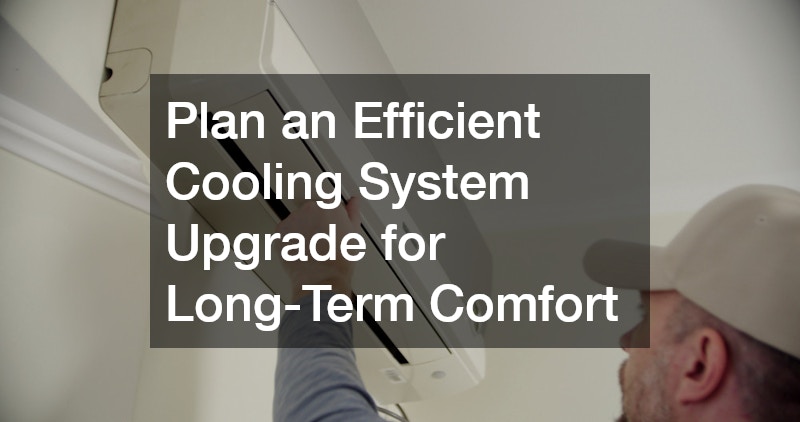
Investing in ac installation is one of the most effective ways to improve comfort and energy efficiency in your home. However, proper planning is essential to ensure you choose the right system and achieve optimal results.
Begin by evaluating your current system’s performance. If your unit struggles to maintain consistent temperatures or requires frequent repairs, it may be time for an upgrade. Energy efficiency ratings, such as SEER (Seasonal Energy Efficiency Ratio), should also be considered when selecting a new system.
Key steps in the process include:
- Conducting a load calculation to determine the appropriate system size
- Assessing ductwork for leaks or inefficiencies
- Choosing features like programmable thermostats or zoning systems
Preparation is equally important. Clear the installation area, ensure proper electrical connections, and discuss timelines with your contractor to minimize disruptions.
After installation, maintain your system by replacing filters regularly, scheduling annual tune-ups, and monitoring performance. These practices will help maximize efficiency and extend the life of your investment.
Additionally, consider how insulation and home sealing impact your cooling system’s performance. Poor insulation can cause energy loss, forcing your system to work harder than necessary. Upgrading insulation, sealing air leaks, and using energy-efficient windows can significantly enhance overall efficiency. Smart thermostats can further optimize usage by adjusting temperatures based on your schedule, helping reduce energy costs while maintaining consistent indoor comfort throughout the year.
Prevent Water Damage with Proper System Maintenance
Water damage restoration and sump pump repair are often necessary when preventative measures are overlooked. Water damage can occur suddenly, but many incidents are preventable with proper maintenance and monitoring.
Common causes of water damage include:
- Heavy rainfall overwhelming drainage systems
- Foundation cracks allowing water intrusion
- Malfunctioning sump pumps
To reduce risk, homeowners should:
- Test sump pumps regularly to ensure proper operation
- Clean and inspect drainage systems
- Seal foundation cracks and improve grading around the home
If water damage does occur, immediate action is critical. Remove standing water, dry affected areas, and contact professionals who specialize in water damage restoration to mitigate further damage.
Long-term prevention strategies include installing backup sump pumps, using water alarms, and maintaining gutters and downspouts. These steps can significantly reduce the likelihood of future issues.
Homeowners should also pay attention to interior risk factors, such as aging plumbing, appliance hoses, and water heaters that may leak over time. Replacing worn components before failure and installing automatic shut-off valves can provide an added layer of protection. Regularly checking basements and crawl spaces for moisture buildup or musty odors can help identify problems early, allowing for quicker intervention and minimizing the overall impact of potential water damage.
Improve Water Quality for Health and Efficiency
Water purification installation offers numerous benefits, from improving drinking water quality to extending the lifespan of appliances. Clean water is essential for both health and the efficient operation of your home’s systems.
There are several types of purification systems to consider:
- Activated carbon filters for removing chlorine and odors
- Reverse osmosis systems for comprehensive filtration
- UV purification for eliminating bacteria and viruses
Choosing the right system depends on your water source and specific needs. Testing your water quality is a crucial first step, as it helps identify contaminants and determine the most effective solution.
Maintenance is also important. Replace filters as recommended, monitor system performance, and schedule periodic inspections to ensure continued effectiveness.
In addition to health benefits, improved water quality can reduce mineral buildup in pipes and appliances, leading to better efficiency and fewer repairs over time.
Maintain Reliable Hot Water for Everyday Use
A dependable hot water heater is essential for daily activities such as bathing, cooking, and cleaning. Understanding how your system works and maintaining it properly can prevent unexpected breakdowns and costly replacements.
There are several types of water heaters, including:
- Tank systems that store heated water
- Tankless systems that heat water on demand
- Hybrid models that combine efficiency and storage
Signs that your system may need attention include inconsistent water temperatures, unusual noises, and visible corrosion. Addressing these issues early can prevent more significant problems.
Routine maintenance tasks include:
- Flushing the tank to remove sediment buildup
- Inspecting the anode rod for corrosion
- Checking pressure relief valves for proper operation
Energy-efficient upgrades, such as switching to a tankless system, can reduce utility costs and provide a more consistent supply of hot water. However, it’s important to evaluate your household’s needs before making a decision.
Keep Your Plumbing System Flowing Efficiently
Regular drain cleaning services are essential for maintaining a healthy plumbing system. Clogged or slow drains can lead to backups, unpleasant odors, and even structural damage if not addressed promptly.
Common causes of drain issues include:
- Accumulation of grease, hair, and debris
- Tree root intrusion in underground pipes
- Improper disposal of non-flushable items
Preventative measures can help reduce the risk of clogs:
- Use drain screens to catch debris
- Avoid pouring grease down the sink
- Flush drains periodically with hot water
When problems persist, professional drain cleaning services can provide more thorough solutions using specialized equipment such as hydro-jetting or drain snakes.
Long-term strategies include regular inspections, proper waste disposal habits, and addressing minor issues before they escalate into major problems.
Coordinate Multiple Home System Upgrades for Efficiency
Combining projects with an HVAC contractor and water purification installation can lead to greater efficiency and cost savings. Coordinating upgrades allows homeowners to streamline timelines and ensure compatibility between systems.
Benefits of coordination include:
- Reduced labor costs through bundled services
- Improved system integration and performance
- Less disruption to daily routines
To successfully manage multiple projects:
- Develop a detailed plan outlining each phase
- Communicate clearly with all contractors involved
- Monitor progress and adjust timelines as needed
Budgeting is another critical factor. While combining projects can save money, it’s important to account for all expenses and prioritize upgrades based on urgency and impact.
By taking a strategic approach, homeowners can achieve better results and maximize the value of their investments.
Protect Your Home with Routine Inspections and Repairs
Ongoing maintenance, including plumbing repair and sump pump repair, is essential for preventing costly emergencies and extending the lifespan of your home’s systems.
A comprehensive maintenance plan should include:
- Seasonal inspections of all major systems
- Regular cleaning and servicing
- Prompt attention to minor issues
Creating a checklist can help ensure nothing is overlooked. Key areas to monitor include plumbing connections, drainage systems, and sump pump functionality.
Keeping detailed records of inspections and repairs is also beneficial. This documentation can help track system performance, identify recurring issues, and support warranty claims if needed.
By staying proactive, homeowners can avoid unexpected breakdowns and maintain a safe, efficient living environment.
Handle Emergency Situations with Confidence
When emergencies arise, quick action is essential. Situations requiring water damage restoration or heating repairs can escalate rapidly, making it important to have a plan in place.
Steps to take during an emergency include:
- Shutting off water or power sources if necessary
- Removing valuables from affected areas
- Contacting professionals immediately
Safety should always be a top priority. Avoid entering flooded areas with electrical hazards, and use protective equipment when dealing with contaminated water.
Working with experienced professionals ensures that damage is properly assessed and addressed. They can also assist with insurance claims and provide recommendations for preventing future incidents.
Preparation is key. Having emergency contacts, tools, and a basic understanding of your home’s systems can make a significant difference in how effectively you respond.
Long-Term Strategies for Home Efficiency and Reliability
Maintaining systems such as your hot water heater and scheduling regular drain cleaning services are essential components of a long-term strategy for home efficiency.
Key practices include:
- Establishing a maintenance schedule for all systems
- Budgeting for future repairs and replacements
- Investing in energy-efficient upgrades
Monitoring utility usage can also provide valuable insights. Sudden increases in energy or water consumption may indicate underlying issues that require attention.
Homeowners should also keep records of all maintenance activities, including dates, costs, and service providers. This information can help identify trends and ensure that systems are properly cared for.
By adopting a proactive approach, you can reduce costs, improve performance, and extend the lifespan of your home’s critical systems.
Conclusion
Taking care of your home involves more than reacting to problems as they arise—it requires a thoughtful, proactive strategy that prioritizes maintenance, efficiency, and long-term planning. By understanding how your home’s essential systems function and interact, you can make smarter decisions that protect your investment and improve your quality of life.
From heating and cooling to plumbing and water quality, each system plays a critical role in maintaining comfort and safety. Regular inspections, timely upgrades, and working with experienced professionals all contribute to a more reliable and efficient home. Small actions taken consistently can prevent major issues, saving both time and money in the long run.
Homeownership comes with ongoing responsibilities, but it also offers opportunities to create a space that meets your needs and adapts over time. By staying informed and proactive, you can ensure that your home remains a comfortable, functional, and valuable asset for years to come.