
A home rarely develops serious damage without offering early clues. A faint ceiling stain, a loose floorboard, or a drain that repeatedly clogs may seem manageable on its own. Left unaddressed, however, a small defect can affect nearby materials, increase repair expenses, and disrupt daily routines. Protecting a property requires more than responding when something breaks. It involves recognizing warning signs, maintaining essential systems, and choosing renovations that address underlying problems instead of covering them up.
The most effective approach combines routine observation with professional evaluation when a problem exceeds a homeowner’s abilities. By considering how roofing, plumbing, heating, flooring, and interior finishes interact, households can make improvements in a sensible order. A thoughtful plan also helps prevent one renovation from damaging another, making each investment work harder over time.
Assess Damage Before It Spreads
Effective prevention begins with understanding the home’s current condition. Walk through each room periodically and look for changes that might indicate moisture, movement, or wear. Check ceilings for discoloration, walls for bubbling paint, windows for persistent condensation, and floors for soft spots. Outside, examine visible siding, foundation areas, and drainage paths after significant rain. Photographs and dated notes make it easier to determine whether a problem is stable or getting worse.
Some warning signs point to issues beyond the visible surface. A musty smell near a bathroom could reflect a plumbing leak, inadequate ventilation, or moisture entering through an exterior wall. A stain in an upstairs room might relate to roof repairs that have been postponed. Rather than guessing at the cause, investigate where water could originate and how it travels through the structure. Repairing damaged paint without stopping the moisture source usually means the same problem will return.
When dampness persists or suspicious growth appears, a mold inspection can help clarify conditions in affected areas. The findings may guide additional evaluation, moisture control, and appropriate cleanup. Not every dark spot is mold, and testing is not automatically necessary for every minor problem. The important step is to address unwanted moisture promptly and seek qualified assistance when the source, extent, or safety implications are unclear.
A simple household maintenance record can connect these observations. Note previous repairs, appliance ages, recurring issues, and upcoming inspections.

Protect the Roof and Gutters
The roof is one of the home’s first defenses against wind, rain, and changing temperatures. Missing shingles, damaged flashing, lifted edges, and deteriorated sealants can create routes for water to enter. Even a modest leak can eventually affect attic insulation, ceiling materials, or framing. Homeowners can look for damage from the ground, especially after storms, but should leave climbing and complex evaluations to appropriately equipped professionals.
Timely roof repairs are often more manageable than extensive work required after prolonged moisture exposure. A roofing professional can examine vulnerable areas around vents, chimneys, and roof intersections, then recommend targeted work when practical. An assessment can also determine whether the roof’s overall condition justifies replacement rather than repeated patching.
Gutters are equally important because they direct runoff away from walls and the foundation. Debris, poor alignment, separated joints, and blocked downspouts can cause overflow near siding or entryways. A gutter contractor can evaluate whether the system is sized appropriately, sloped correctly, and discharging water at a suitable location. Cleaning may solve some concerns, while other problems require repairs or replacement sections.
After heavy rainfall, observe where water collects around the property. If it repeatedly pools near the house, look beyond the gutters to grading and drainage conditions. Addressing runoff at its source can help protect basement finishes, landscaping, and interior renovation investments.
Maintain Plumbing and Water Heating
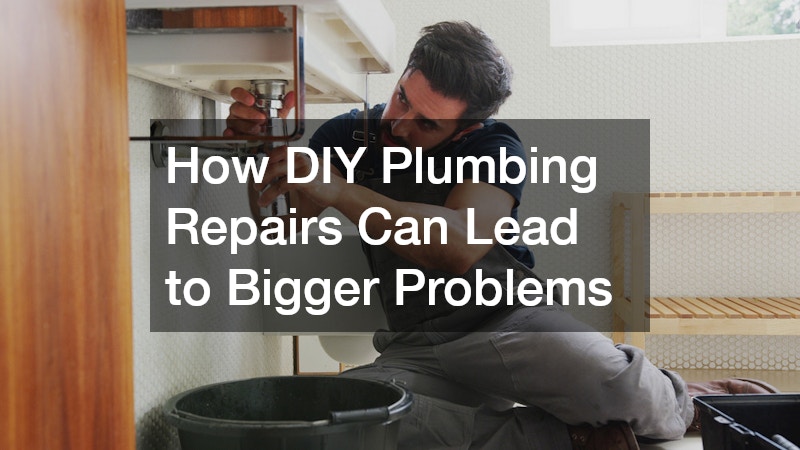
Hidden plumbing problems can cause expensive damage because leaks may continue long before they become visible. Pay attention to unexpected increases in water use, damp cabinet interiors, loose fixtures, reduced water pressure, and stains near supply lines. Listen for toilets that run continuously and inspect accessible connections around sinks, laundry equipment, and water heaters.
A professional plumbing service can identify the cause of recurring leaks, slow drains, or unreliable fixtures. Depending on the problem, repairs might involve replacing worn seals, clearing an obstruction, correcting faulty connections, or evaluating aging pipes. Avoid repeatedly using chemical drain cleaners to compensate for a persistent blockage; they may not address the underlying issue and can create additional handling concerns. Knowing where the main water shutoff is located can also limit damage during an emergency.
Water heaters require particular attention because deterioration may affect both comfort and nearby building materials. Rust around connections, leaking valves, unusual noises, and inconsistent hot water deserve evaluation. Water heater replacement services may be appropriate when a unit is failing, inefficient, or no longer suited to household demand. A technician can discuss capacity, installation requirements, energy options, and safe disposal of the existing equipment.
Preventive planning matters when renovating kitchens or bathrooms. Before closing walls or installing expensive finishes, confirm that accessible plumbing components are in good condition. Coordinating upgrades now can reduce the likelihood of reopening completed surfaces to fix avoidable problems later.

Improve Heating, Cooling, and Ventilation
An uncomfortable room may signal more than an aging thermostat. Uneven temperatures, poor airflow, excessive humidity, and unusual equipment sounds can suggest maintenance needs or design limitations. Heating and cooling systems influence indoor comfort, but they also affect how moisture behaves throughout the home. Ventilation and humidity control are especially important in spaces where cooking, bathing, or laundry regularly adds water vapor to the air.
An HVAC contractor can evaluate equipment performance, airflow restrictions, thermostat operation, and maintenance needs. Depending on the system, recommended work may include replacing filters, servicing components, sealing accessible duct leaks, or addressing inadequate distribution. Professional assessment is particularly useful before remodeling changes room layouts or increases conditioned square footage. New walls, expanded openings, and converted spaces can alter airflow needs, making an old arrangement less effective.
Homeowners should also pay attention to exhaust fans and other moisture controls. Bathroom fans need to move humid air outdoors, while kitchen ventilation should suit the cooking setup and installation. A dehumidifier may help in some damp spaces, but it should not serve as a substitute for fixing water intrusion. If moisture remains unexplained or visible growth returns after cleanup, a mold inspection may be worth discussing with a qualified professional.
Sealing drafts, improving insulation where appropriate, maintaining filters, and keeping vents unobstructed can support system performance.
Renovate Kitchens With Durability in Mind
Kitchen improvements can transform daily routines, yet poorly planned work may introduce new maintenance issues. Before choosing finishes, evaluate cabinet condition, appliance locations, electrical needs, plumbing connections, and ventilation. Identify any areas damaged by old leaks or recurring condensation. Installing attractive cabinets over compromised walls or floors can conceal deterioration and make later repairs more disruptive.
Kitchen remodeling services can help coordinate the different trades involved in updating a busy space. Depending on the project, that may include cabinetry, countertops, lighting, appliance installation, and layout adjustments. A home remodeling contractor can help homeowners establish a logical sequence so plumbing and electrical work happens before walls are closed and finishes are installed. This coordination is especially useful when relocating sinks or dishwashers.
Select materials based on their location and maintenance demands, not appearance alone. Surfaces near sinks and cooking areas should tolerate regular cleaning and everyday exposure. Cabinet hardware should operate smoothly, and storage plans should keep frequently used items accessible without crowding work areas.
A sensible kitchen budget includes more than visible upgrades. Set aside funds for correcting concealed problems uncovered during demolition, and agree on how changes will be documented. Confirm permits and inspections required for the scope of work. When the renovation addresses both function and underlying building conditions, the finished kitchen is more likely to remain practical and easier to maintain.

Update Bathrooms to Prevent Moisture Problems
Bathrooms face frequent exposure to water, steam, and temperature changes. Cracked grout, failed caulk, loose tiles, and inadequate ventilation can allow moisture to reach vulnerable surfaces. While damaged grout alone does not necessarily mean a shower is leaking, repeated dampness around a tub, toilet, or vanity warrants attention. Look for swelling at cabinet bases, discolored trim, and flooring that feels unstable underfoot.
Bathroom remodeling services offer an opportunity to improve both the room’s appearance and its water management. Before installing new tile, a contractor should evaluate the underlying surfaces and appropriate waterproofing details for wet areas. Shower assemblies, floor transitions, and fixture connections need careful planning because repairs can become expensive after decorative finishes are in place. Choosing slip resistant flooring and convenient storage can also improve everyday usability.
If fixtures are being moved, coordinate the work with a qualified plumbing service. Relocating a drain or supply connection may involve changes behind walls or beneath floors, and accessibility for future maintenance matters. Even when fixtures remain in place, checking shutoff valves and visible connections during the project can reveal wear that would otherwise go unnoticed.
Ventilation deserves the same attention as attractive finishes. An appropriately installed exhaust fan helps remove humid air after showers and baths. A bathroom renovation protects its value when it reduces the conditions that caused damage in the first place.
Repair Flooring Before Damage Worsens
Floors experience constant traffic, shifting furniture, accidental spills, and changing indoor conditions. Scratches may be cosmetic, but curling edges, soft spots, persistent squeaks, or unexpected unevenness can indicate deeper problems. Water damage around sinks, entrances, and appliances may extend below the finished surface. Before installing new material, determine whether the subfloor is sound and whether an active leak has been corrected.
A flooring contractor can assess existing conditions and recommend repairs, refinishing, or replacement based on the material and level of damage. Hardwood may respond differently to moisture than vinyl, tile, or carpet, so choosing a replacement requires attention to each room’s use. Kitchens, bathrooms, basements, and entryways present different exposures, and a product suitable for one space may not perform equally well in another.
Preparation often matters as much as the visible floor. Uneven substrates, trapped moisture, inadequate expansion space, and poor transitions can shorten the useful life of an installation. Discuss these details before work begins, along with expected maintenance and cleaning requirements. If damaged flooring is being removed after a leak, make sure affected underlying materials are evaluated and adequately dried before replacement.
Plan flooring changes alongside other renovations to avoid unnecessary wear. Heavy demolition, appliance moves, and cabinet installation may damage newly finished surfaces if the schedule is poorly arranged. Once the work is complete, use appropriate cleaning methods, protective furniture pads, and quick spill cleanup to preserve the improvement.

Coordinate Projects for Long-Term Protection
Home repairs become easier to manage when they follow a clear order. Start with safety concerns and active sources of damage, including leaks, electrical hazards, and structural warning signs. Next, address systems that support the rest of the property, such as drainage, plumbing, roofing, and heating. Cosmetic changes can follow once vulnerable materials and hidden problems have received proper attention. This sequence prevents attractive finishes from being compromised by neglected repairs.
For a larger project, a home remodeling contractor can help coordinate schedules, clarify responsibilities, and identify work that should happen together. Request detailed written estimates that explain materials, labor, anticipated timelines, and how unexpected conditions will be handled. Ask about licensing where applicable, insurance, permits, and warranties. Clear expectations reduce confusion when several specialists share the same workspace.
Create a realistic budget that includes an allowance for surprises. Older homes may conceal deteriorated materials, outdated connections, or previous repairs that need correction. Prioritize improvements according to urgency, potential consequences, and how much disruption each project creates. Combining related work can sometimes save repeated demolition, but it is not automatically economical to replace functional components simply because a contractor is already on site.
Finally, establish a maintenance calendar after renovations are complete. Schedule seasonal exterior checks, follow equipment service recommendations, keep drainage paths clear, and review vulnerable areas after severe weather. Save receipts, warranties, inspection findings, and photographs together. Regular attention cannot prevent every failure, but it helps homeowners spot changes sooner, respond appropriately, and protect the money invested in creating a safer, more comfortable home.